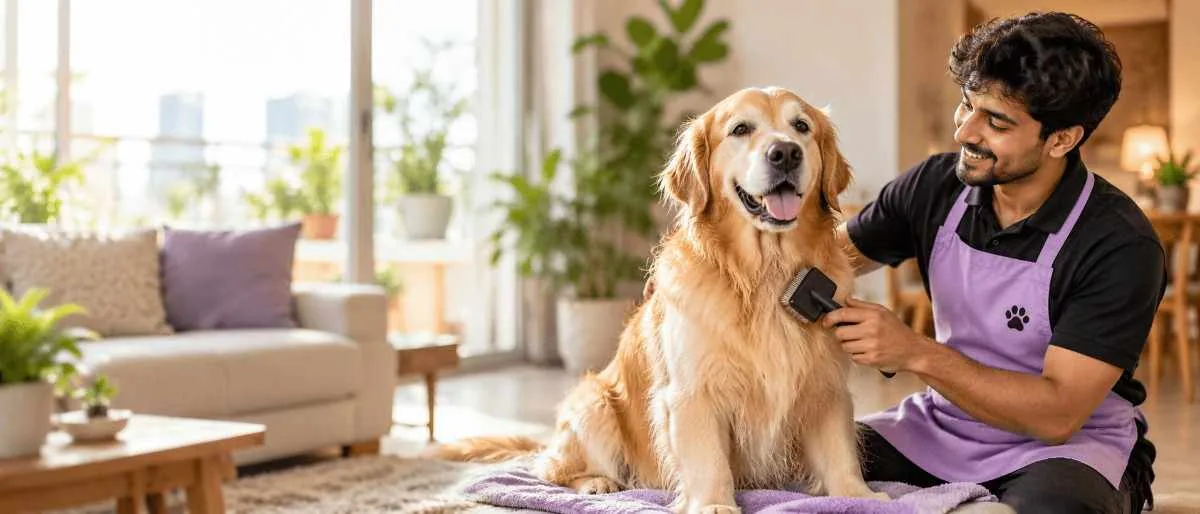


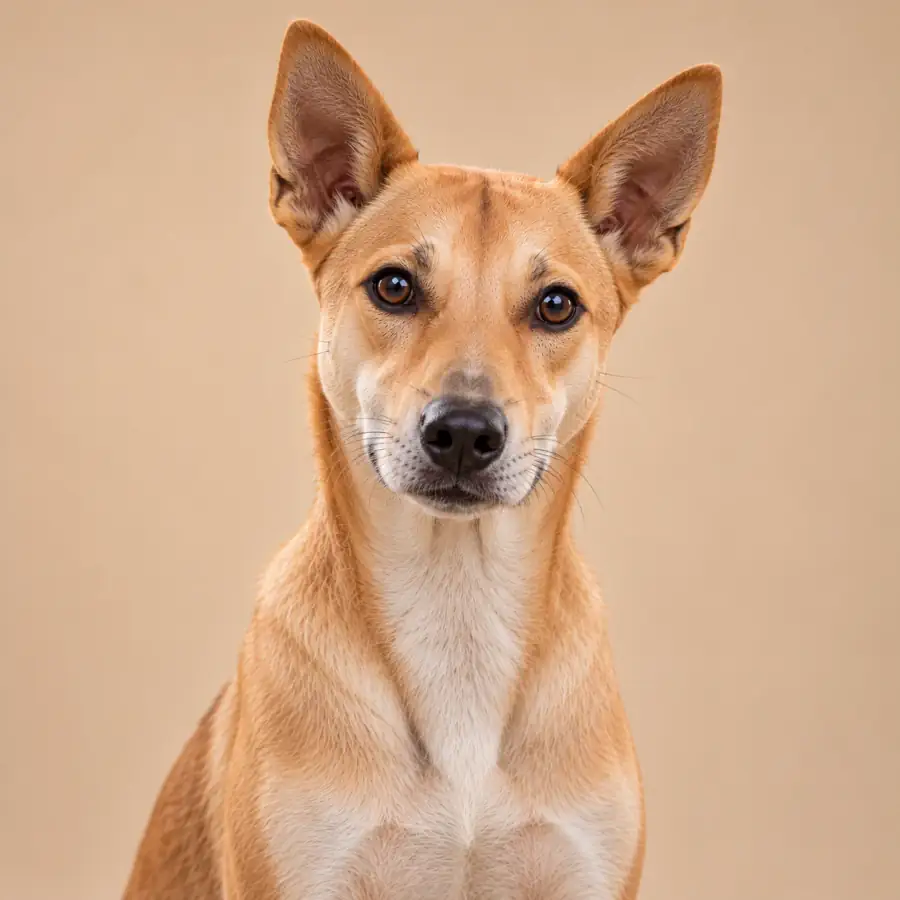
Sandy and fawn
The most common colours. Dust and mud show but don’t cling to the smooth coat.
The Indian Pariah dog needs very little coat care and a lot of tick care. A weekly brush, a bath every couple of months and a monthly preventive keep it healthy.
Indian Pariah at a glance
Care in short
A typical Indian Pariah visit
Paid after the groom, by cash or UPI. Nothing is added at the end.
The coat
The Indian Pariah is a landrace. Centuries of living outdoors here shaped it, not a breeder’s standard. The coat shows it: short, smooth, practical and weatherproof.
Colours run from sandy and red-brown to black, brindle and white-marked, usually lighter underneath. The coat lies close and sheds dirt easily. Most indies have a thin undercoat that thickens a little in cooler months and releases in the warm ones.
Nobody has bred these dogs for fashion, so they carry little of the trouble pedigree coats have. No matting, no clipping schedule, no heavy shedding. A dog like this needs a brush, a bath now and then and a strong plan against parasites.
Many indies in Pune homes come from rescues or the street. The coat can look rough at first, with dull hair, dry skin or a scar here and there, and it improves visibly within a couple of months of regular food, deworming and gentle bathing.
Swipe for more →
For the coat, yes. There’s no clipping, little matting and modest shedding. The upkeep is parasite prevention, vaccination, deworming, ear checks and nail trims, which every dog needs but indies often get late.
Poor nutrition, parasites and stress are the usual causes. With good food, deworming, flea and tick treatment and your vet’s advice, the coat usually improves within weeks. If bald patches or redness persist, ask your vet about mange or fungal infection.
Priority one
If one thing shapes an indie’s health in India, it’s the tick. Tick-borne fevers are among the most common serious illnesses in dogs here.
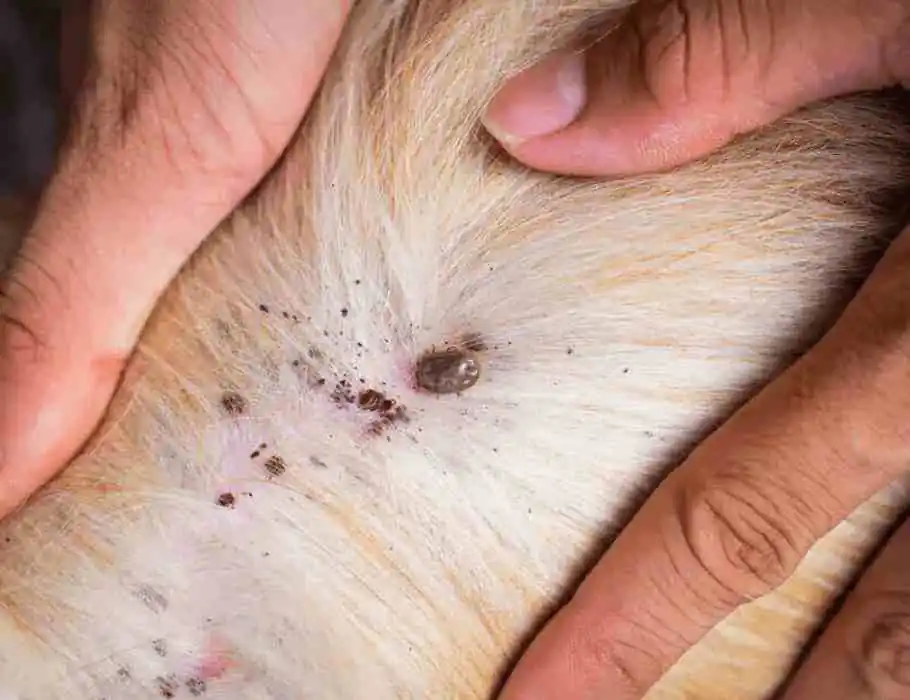
Ticks attach in the ears, between the toes, in the armpits and around the groin, and they thrive in warm humid months. A dog that has been on the street, or in a garden or park, is at risk. Tick-borne infections cause fever, weakness, pale gums and loss of appetite, and need prompt veterinary treatment.
Prevention has three parts: a preventive your vet recommends, a weekly check by hand, and a clean home. Spot-ons, collars and oral treatments all exist. The right choice depends on the dog, so ask your vet.
Swipe for more →
Follow the product’s interval, usually monthly for a spot-on, and be strictest from June to October. Check the dog by hand every week regardless, because no preventive is perfect.
A bath can wash off fleas and some ticks, but it doesn’t stop them coming back. A preventive and a hands-on check are what actually protect your dog.
The routine
The best routine for an indie is one you will keep. This one takes about twenty minutes a week.
| Task | How often | The indie angle |
|---|---|---|
| Brush | Once a week | A rubber mitt takes off loose hair and lets you check the skin. |
| Tick check | Weekly | Ears, toes, armpits, groin. Most important from June to October. |
| Bath | Every 6–8 weeks | The coat resists dirt. Over-bathing strips oils and causes itching. |
| Nails | Every 4 weeks | Dogs that walk on tarmac wear nails down. Indoor indies don’t. |
| Ears and teeth | Ears every 2 weeks, teeth often | Erect ears are healthier than floppy ones, but wax and ticks still collect. Leftover-fed dogs build tartar. |
Every six to eight weeks is plenty for a healthy adult. In the monsoon, rinse muddy feet and legs between baths with plain water. Over-bathing gives dry itchy skin.
No. Human and dishwashing products strip protective oils and can irritate the skin. A dog shampoo is made for the right pH.
Newly adopted
Many indies arrive tired, thin or frightened. The first bath can build trust or undo it.
A health check, deworming and vaccinations come before a bath. A weak, sick or wounded dog shouldn’t be bathed until a vet says it’s fit.
Give it a few days to learn the home, eat well and sleep before introducing a stranger and a bath.
Say if the dog is nervous, has been hurt or has never been handled. We plan a slower, gentler visit.
Lukewarm water, a mild shampoo, a soft towel and calm talk. Skip hard brushing and the dryer if the dog is frightened.
Treats and praise make the next bath easier. Many nervous indies relax within three visits.
Start with the towel and a damp cloth, then a gentle rinse of the legs, then a full bath over a few weeks. Special Handling at +₹199 gives us extra patience and hands for a frightened dog, and going slowly usually works better than force.
Ask your vet. Deworming is usually one of the first steps for a rescued dog. The Deworming add-on is ₹299 if you want it done during the visit, with a dose we confirm with you first.
Watch list
Indies are among the healthiest dogs, but the life many have led before adoption leaves marks.
Swipe for more →
Mange usually shows as intense itching, patchy hair loss (often around the ears, elbows and face) and crusty skin. Only a vet can confirm it with a skin scraping, and the treatment is specific. Don’t try home remedies.
It helps when a vet has diagnosed a fungal or bacterial infection and recommended the shampoo or contact time. It’s ₹299 as an add-on. Without a diagnosis, you may be treating the wrong problem.
Through the year
Indies are better adapted to this climate than most breeds, which makes the monsoon the only real worry.
Usually not, but thin, elderly or recently rescued indies feel it on mornings near 10 °C. A light jacket or a warm bed is enough.
Damp encourages fungus and bacteria, and mud brings parasites. Drying the dog thoroughly, keeping bedding clean and a tick preventive are the best protection.
Every age
Indies often live long, with many reaching fourteen or more. Care changes along the way.
Swipe for more →
Usually at about twelve weeks, once the vet has cleared the vaccines. A damp cloth will do for muck before that.
Use a non-slip mat, lukewarm water and short sessions. Special Handling at +₹199 provides extra hands, and we’ll support the hindquarters.
Price
An indie pays what every dog pays. The usual visit is a bath with a parasite add-on.
No size surcharge and no visit fee. An indie rarely needs a haircut.
A Spa Bath is ₹799. With Tick & Flea Care it comes to ₹948. You pay after the session, by cash or UPI.
No. A rescued or adopted indie pays the same published prices as any other dog. Only the optional add-ons you choose change the bill, such as Special Handling for a frightened dog.
You save ₹200
You save ₹200
You save ₹200
Enhance any package with these extras
per 6 months
Save over 50%
Call us to activate Elite
We verify & set it up over a quick call.
Prices, coverage & reviews last updated
Where we visit
Pick your area for the roads, societies and weather we plan around.
Starting ₹799 · A named groomer · 9 AM – 9 PM daily across Pune